


Hakuin’s Song of Zazen: Yamada Mumon Roshi on Zen Practice


Shop Through Our Premier Indie Partners
Shop Through Our Premier Indie Partners
Details
Details
Shambhala Publications
Pages: 448
Size: 6 in x 9 in
ISBN: 9781645471813
Book description
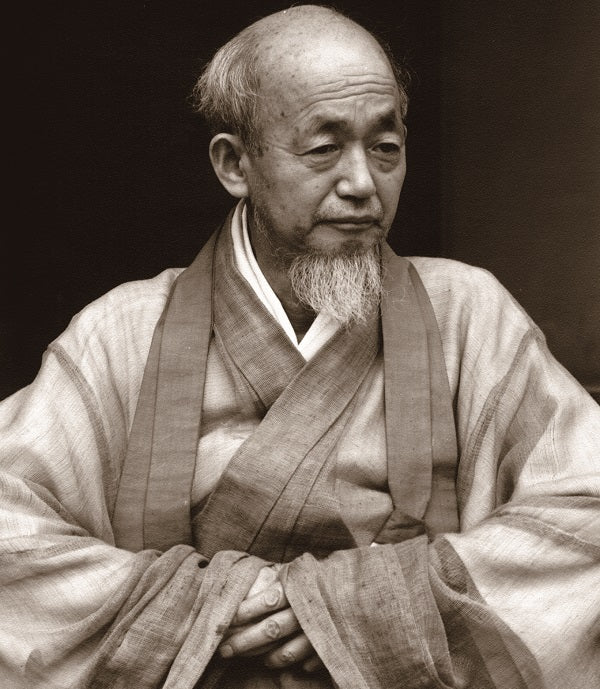
Renowned modern Zen master Yamada Mumon Rōshi uses Hakuin’s famous poem of spiritual realization, Song of Zazen, as a starting point to embark on a lively commentary on Zen practice in contemporary life.
First published in Japan in 1962, Hakuin’s Song of Zazen is a celebrated collection of short essays by Zen master Yamada Mumon Rōshi. Translated into English for the first time, it introduces the story of Hakuin’s early life and training, then uses his classic Zen chanting poem, Song of Zazen, to make wide-ranging considerations of the Zen tradition and its applications in modern Japanese life.
As Daisetz Suzuki remarks in his foreword, what gives Mumon’s book its unique flavor and makes it different from previous works by Zen teachers are his forays into matters of ordinary, everyday life, expanding his Zen teaching to encompass interests that are closely linked with his lay audience. He responds to a news article that catches his eye in the morning paper, delivers criticism on contemporary political and social trends, explores matters as diversified as the uses of atomic energy, the court culture of seventeenth-century France, a leper hospital on an island in the Inland Sea, Albert Schweitzer and other noted Western figures—and more. In doing this Mumon gives readers open access to the opinions, judgements, and practical thinking of a leading Zen master—a map of his planet, so to speak. Each brief chapter of Mumon’s book is an invitation to follow Hakuin and himself down the path of true Zen realization.

Praise for the book
Nelson Foster
“Here we witness one of postwar Japan’s best-known Rinzai masters making an energetic effort to interest his compatriots in Zen. Yamada Mumon uses Hakuin Zenji’s famous doctrinal verse as a unifying strand for a series of brief essays that lay out in accessible terms some of his venerable tradition’s basic teachings. Writing in the 1950s for lay readers in a country reeling from decades of imperial warfare, subsequent devastation, and defeat, he addresses sundry news events, family life, ethical dilemmas, and the like. The book, expertly translated, is also a hand extended across the seas and the intervening decades—of all his writings, the one he most wanted Westerners to see.”
Buddhistdoor Global
“This is a Buddhist leader grappling with the darkest shadow of his countrymen, and bringing the Pure Land to all, truly all : even to the shadows that, at the time, had only just begun to recede. Thanks to this and many other essays in this book Yamada Roshi remains one of the most important and engaging figures of post-war Japanese Buddhism. This book is not only about cultivating Dharma, crucial though that is. It is a window into the mind of a truly fascinating Buddhist clergyman.”
Midwest Book Review
“A seminal study that is articulate, elegant, insightful, thoughtful and thought-provoking. . . . Very special and unreservedly recommended.”


