


Of Mud and Lotuses
By Paula Arai
Foreword by Karma Lekshe Tsomo


-
Amazon eBook Download
Privacy PolicyBefore you go, sign up to receive news & promotions from Shambhala.com
Apple eBook Download
Privacy PolicyBefore you go, sign up to receive news & promotions from Shambhala.com
Google eBook Download
Privacy PolicyBefore you go, sign up to receive news & promotions from Shambhala.com
Kobo eBook Download
Privacy PolicyBefore you go, sign up to receive news & promotions from Shambhala.com
Nook eBook Download
Privacy PolicyBefore you go, sign up to receive news & promotions from Shambhala.com
Shambhala Publications08/25/2026Pages: 208Size: 5.5 x 8.5ISBN: 9781645475217DetailsA unique blend of personal reflection, creative histories, and interview-based nonfiction that vividly imagines the lives of Buddhist women over 2,500 years. Of Mud and Lotuses illuminates the hardships, resilience, and creative ways in which Buddhist women have applied the Dharma to daily life—often in ways that history has ignored.
With lyrical storytelling and a perspective informed by decades as a Japanese American scholar of women in Buddhism, Paula Arai conjures the kitchens, temples, and intimate moments of Buddhist women’s lives across India, Sri Lanka, China, Japan, and the contemporary U.S. A mother and daughter circle a stupa amidst a scent of jasmine. The Buddha exchanges letters with Mahaprajapati, his aunt and adoptive mother. An ancient Indian queen proclaims the womb as the very cradle of Buddha-nature. A woman in fifth-century Sri Lanka expresses the Dharma by cooking for the local bhikkhus even as she cares for her ill sister-in-law. A widow finds solace in the communal rituals of a Japanese nunnery. In these creative histories, motherhood is sacred and everyday, caregiving is both burden and liberation, and the “womb of the Buddha” pulses at the heart of spiritual awakening. Complementing these fictional pieces are Arai’s personal and scholarly reflections on Buddhist women’s history, as well as several nonfiction narratives of contemporary American Buddhist women whose struggles and triumphs reveal a striking continuity with the ancestors who preceded them.RelatedCheck items to add to the cart orAuthor Bio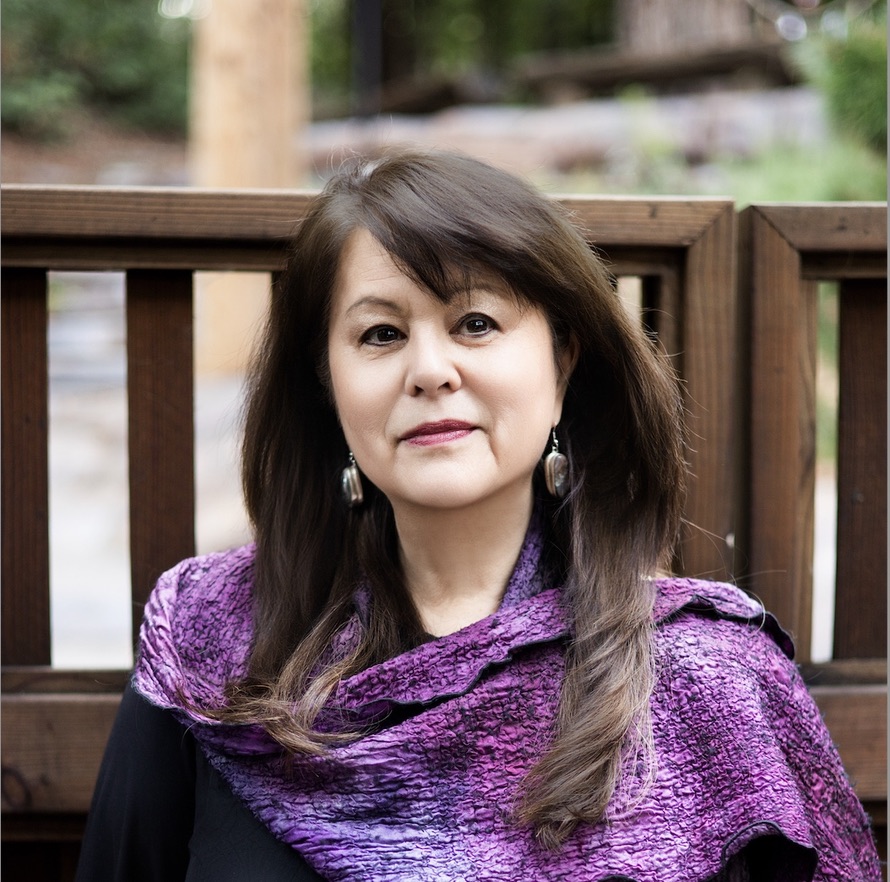 PAULA ARAI was raised in Detroit by a Japanese mother and did Zen training in Japan. She obtained her PhD in Buddhist Studies from Harvard University in 1993 and is now the Eshinni & Kakushinni Professor of Women and Buddhist Studies at the Institute of Buddhist Studies in Berkeley, California. She is the author of Bringing Zen Home: The Healing Heart of Japanese Women’s Rituals, Women Living Zen: Japanese Soto Buddhist Nuns, and Painting Enlightenment: Healing Visions of the Heart Sutra.
 Karma Lekshe Tsomo is a professor in the Department of Theology and Religious Studies at the University of San Diego, where she teaches Buddhism, World Religions, and Comparative Religious Ethics. She studied Buddhism in Dharamsala, India, for fifteen years and received a doctorate in Philosophy from the University of Hawaii. She is a founder and past president of Sakyadhita: International Association of Buddhist Women, and director of Jamyang Foundation, an innovative education project for women in developing countries.Praise
"In this uniquely nondualistic fusion of fact and fiction, scholar Paula Arai explores the liberatory potential of the Buddhist imagination." —Ruth Ozeki, author of A Tale for the Time Being and The Book of Form and Emptiness
"For over twenty-five hundred years, the wisdom and resilience of Buddhist women have been obscured by an incomplete historical record and a ‘fog of misogyny.’ In Of Mud and Lotuses, Paula Arai journeys across centuries and continents—from the earliest days in India to twentieth-century Japan and contemporary America—to unveil their untold stories." —Jetsunma Tenzin Palmo, author of Change Your Mind, Change Your Life and founder of Dongyu Gatsal Ling Nunnery
"This is a very special book that only Paula Arai, with her combination of solid scholarship, creative imagination, and deep compassion, could have written. Her wonderful Dharma stories about historical, imagined, and contemporary Buddhist women are insightful and inspiring, as are the personal reflections that accompany them. A true Dharma gift for all those who aspire to a more loving and equitable world." —Beata Grant, PhD, author of Daughters of Emptiness: Poems of Chinese Buddhist Nuns and Eminent Nuns: Women Chan Masters of Seventeenth-Century China
"Only Paula Arai, as a highly accomplished scholar and thoroughly engaging author, could summon the wisdom, knowledge, creativity, and fortitude to complete the research and compose such a masterful book. Herein, the voices of sixteen Buddhist women from past to present are clearly heard resounding ‘through our history and our hearts.’ All readers will be deeply moved by the stories of strength, compassion, and sincerity. Throughout, there are narratives explicating the causes and effects of suffering as well as the intricate connections of loss and uncertainty with forms of religious practice that cultivate patience and forbearance, or gratitude and humility, Buddhist virtues which in turn lead to genuine self-awareness and redemption." —Steven Heine, PhD, author of Dogen: Japan’s Original Zen Teacher and Flowers Blooming on a Withered Tree: Giun’s Verse Comments on Dogen’s Treasury of the True Dharma Eye
"Through a powerful blend of historically informed imagination and ethnographic portraiture, Arai brings to life the women who creatively and courageously wielded Dharma to liberate themselves and others from suffering. This book is an essential, inspiring collection that re-centers women’s voices, expands our understanding of the Buddhist tradition, and offers visionary strategies for applying wisdom and compassion to life’s most difficult challenges." —Wendy Garling, author of The Woman Who Raised the Buddha: The Extraordinary Life of Mahaprajapati
"Paula Arai engages her scholarship with loving creativity to provide us with women’s voices that we would otherwise never hear. She reaches into the past and imagines what Buddhist women must have thought about, worried about, aspired to achieve. She then turns to contemporary voices and invites them to speak for themselves, so that by the end, we have been in conversation with women from around the world and through the ages. Arai weaves all of these stories together with gentleness, warmth, and intimacy, inviting readers to deepen their understanding and broaden their imagination about Buddhist women’s experiences." —Vanessa Sasson, PhD, author of The Gathering: A Story of the First Buddhist Women and Yasodhara and the Buddha


