
Buddhism Guides
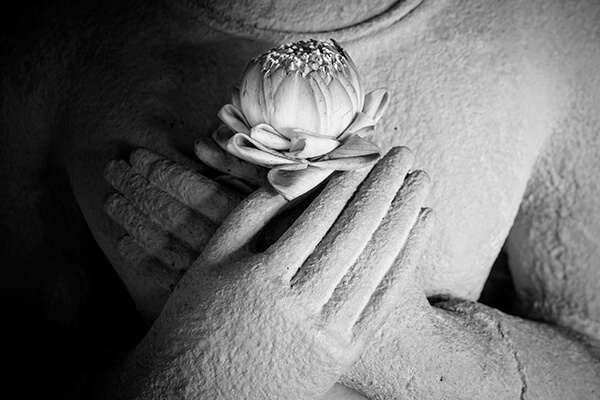
Buddha Nature Read More In the eleventh century, the great Tibetan scholar-practitioner Gampopa (1079–1153) began his composition known as The Jewel Ornament of Liberation with an exposition on the cause for awakening. What is the cause for awakening? In the Vajrayana and third turning traditions of Buddhism it is buddha nature. Buddha nature is our
Continue Reading >> 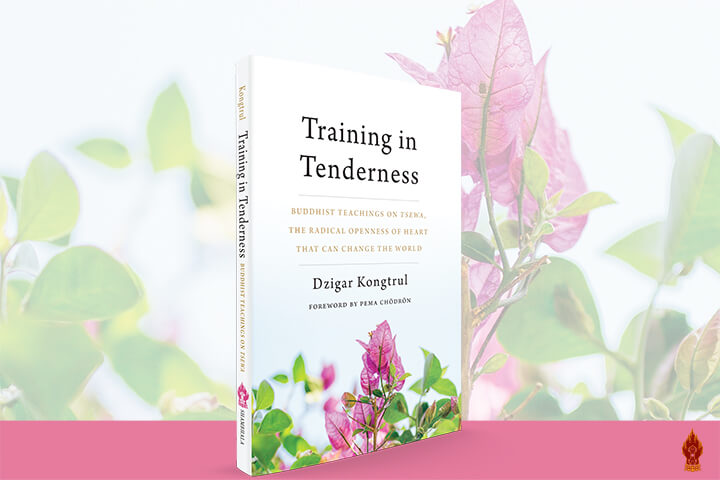
Dzigar Kongtrul Rinpoche & Pema Chödrön in Conversation | Free Video Offering
Dzigar Kongtrul Rinpoche and Pema Chödrön Discuss the Innate Tenderness of Our Hearts ENTER YOUR EMAIL ADDRESS TO ACCESS THE COMPLETE VIDEO INTERVIEW. In this interview, Dzigar Kongtrul Rinpoche sits down with Pema Chödrön to discuss his book, Training in Tenderness, cultivating compassion, and the innate tenderness of our hearts known as tsewa. After entering
Harmonies with Enlightenment An excerpt from Our Human Potential Thirty-Seven Harmonies with Enlightenment Four establishments in mindfulness The thirty-seven harmonies with enlightenment are essential ingredients of the path. They are divided into seven sets, the first of which is comprised of the four establishments in mindfulness. These are the establishments in mindfulness of body, feeling,
Continue Reading >> 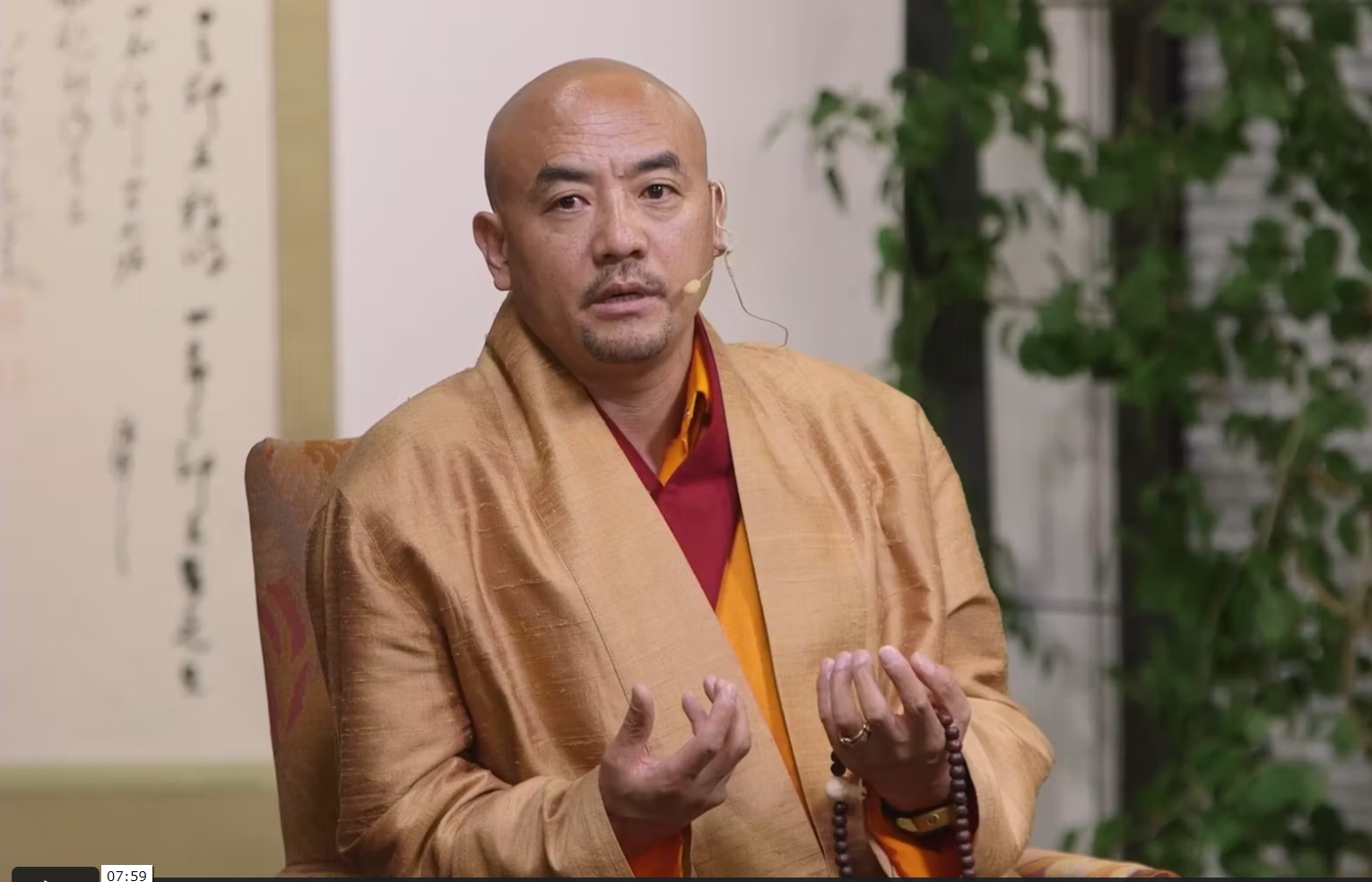
The following talk is from Anyen Rinpoche and Allison Choying Zangmo’s Course: Living the Dharma: How to Practice Buddhism and Make It Count. We have made this final talk available here as a podcast as we think this is one of the most important, powerful, and clear presentations on the importance of Sangha, or spiritual
Continue Reading >> 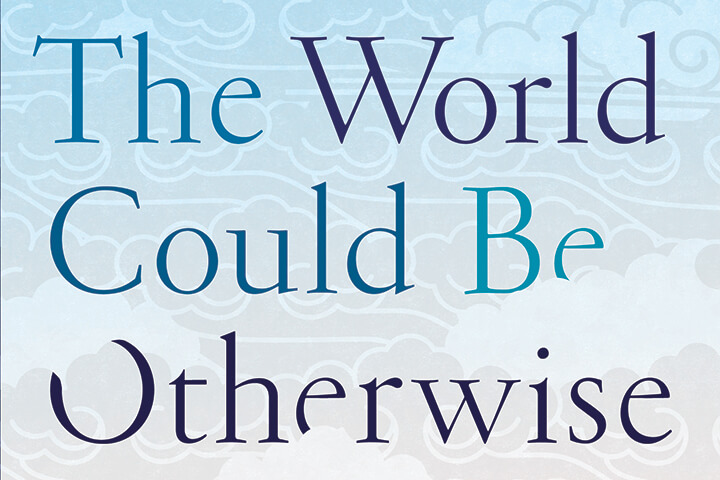
Practicing Patience During Times of Difficulty An Excerpt from The World Could Be Otherwise THE PERFECTION OF PATIENCE is kshanti paramita in Sanskrit. Kshanti can be translated as “patience,” “forbearance,” or “tolerance,” but these words don’t capture the fullness of what kshanti connotes because they all imply a kind of quietism or passivity. To be patient
Continue Reading >> 
Announcing the Second Khyentse Foundation Children’s Book Prize
Theme: Stories that Teach Foundational Buddhist Topics After a successful competition in 2017, Khyentse Foundation and Bala Kids are once again teaming up to offer the Khyentse Foundation Children’s Book Prize for best Buddhist children’s manuscript. Khyentse Foundation and Bala Kids have the shared vision to inspire and educate future generations about Buddhism and to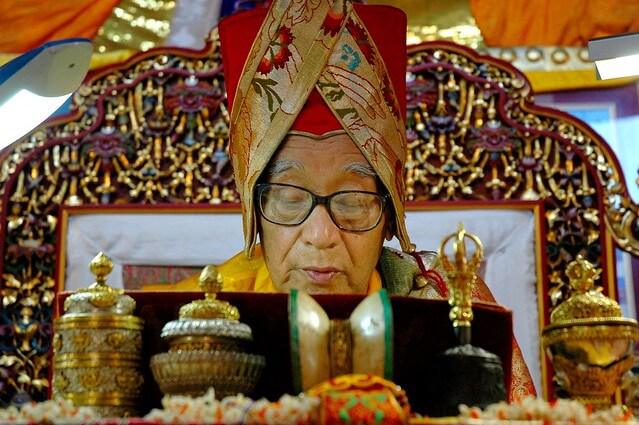
The Role of the Teacher in Tibetan Buddhism: A Reader’s Guide to the Teacher-Student Relationship
The Teacher-Student Relationship Learn More To truly understand Tibetan Buddhism, one must come to grips with the unique role of the teacher, the dynamics of the teacher-student relationship, and the possibilities that having a teacher can open up. To truly understand Tibetan Buddhism, one must come to grips with the unique role of the teacher,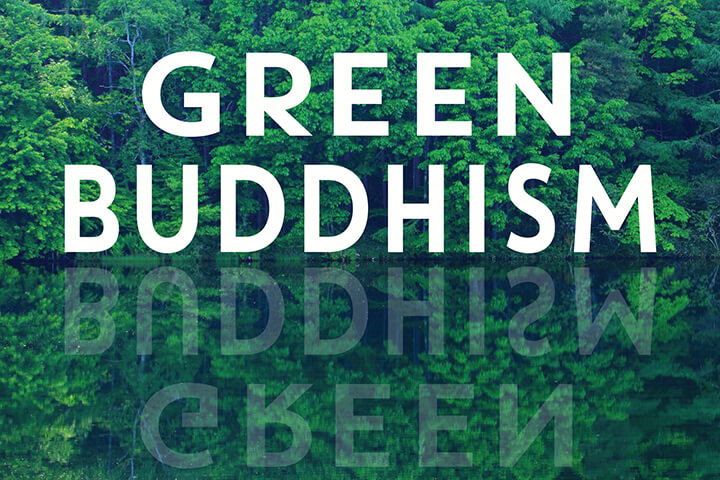
Following the Green Practice Path An Excerpt from Green Buddhism Understanding Our Impact Withdrawing from the Paris Agreement, cancelling clean-water regulations, stalling on clean-energy projects—the recent years under a climate-change-denying political administration have been very discouraging, indeed. Day after day, we seem to hear only about backward steps and policy losses on environmental issues. The
Continue Reading >> 
The following is an excerpt from Inseparable Across Lifetimes by Holly Gayley A Letter from Tāre Lhamo The tenth letter Tāre Lhamo sent to Namtrul Rinpoche during their correspondence. This is a duet that Tāre Lhamo composed between Devī and Pema. Devī means “goddess” in Sanskrit and translates the second part of her name, Lhamo,
Continue Reading >> 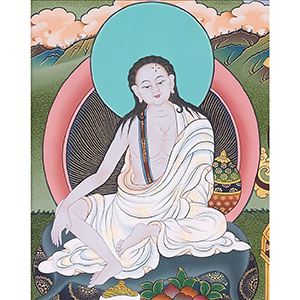
Milarepa: A Reader's Guide Learn More There are few figures more beloved in the Buddhist Himalayas than the 11th century yogi-hero Milarepa. Namkading Cave area where Milarepa spent many years in retreat Related Reader Guides: Profiles of early Indian Mahayana figures | Tibetan Masters of the 8th Century | Tibetan Masters of the 10th-11th Centuries The Kagyu Tradition |
Continue Reading >>